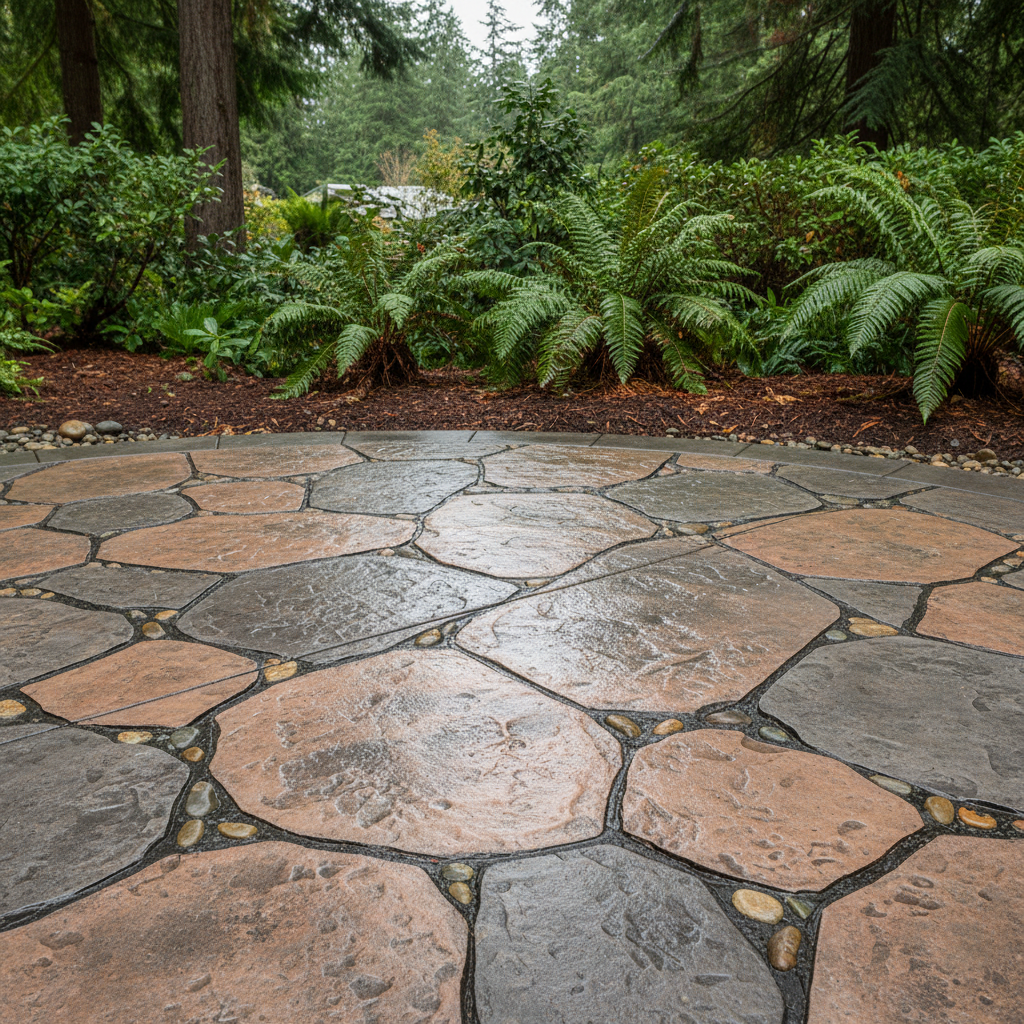
So, you're thinking about decorative concrete for your place, huh? Maybe you've spotted some really cool patios or driveways around Kenmore, or perhaps you're just sick of that plain old gray. It's a fantastic way to boost your home's curb appeal and value, no doubt about it. But let's be real, it's not all sunshine and rainbows. There's a ton to learn before you dive in, especially if you're considering tackling some of it yourself.
Before You Start: What to Expect and How to Plan
First things first, let's nail down what decorative concrete actually means. We're talking about stuff like colored concrete, exposed aggregate, polished concrete, or even simpler staining methods. It's way more than just pouring concrete and calling it done; there's a real art and science behind it. Before you even think about buying a bag of mix, you need to figure out exactly what you want and what your current surface can handle.
Are you trying to spruce up an existing slab, or are you pouring something brand new? That's a huge difference. If you've got an old, cracked patio, you might be thinking about an overlay. These can look amazing and give you a fresh look without ripping everything out, but here's the kicker: the concrete underneath has to be stable. If it's heaving or has big structural cracks, an overlay is basically just putting a band-aid on a broken leg. You'd be throwing your money away. We see this all the time with older homes in places like Inglewood, where the soil can be pretty clay-heavy and shifts over time, you know?
Think about the look you're after. Do you want a subtle color, a bold pattern, or a super smooth, shiny finish? Some decorative options take a lot more work and need special equipment. Don't fall for those online videos that make it look like a weekend project for any homeowner. They rarely show the hours of prep, the specific tools, or the years of experience it truly takes to get it right.
What You Can Actually DIY (Realistically)
Alright, so what *can* you do yourself? If you're handy and patient, a few decorative concrete tasks are definitely within reach for a homeowner:
- Basic Concrete Staining: If you have a clean, unsealed concrete slab that's in good shape, putting on a water-based stain can be a decent DIY project. It's kind of like painting, but you really need to be careful with how you apply it to avoid ugly lap marks. Prep work is everything – clean that surface super thoroughly!
- Sealing Existing Decorative Concrete: This is probably the easiest and most common DIY job. If you already have stamped or colored concrete, you absolutely need to reseal it every 1-3 years, depending on how much traffic it gets and the weather. A good quality sealer protects the color and stops wear and tear. Just make sure the surface is clean and dry, and follow the product instructions to the letter.
- Simple Concrete Painting/Coatings: There are some solid epoxy or acrylic coatings out there for garage floors or utility areas. These can look great and make things more durable. Again, surface prep is super important. You'll need to clean, degrease, and often etch the concrete. Miss a step, and it'll peel faster than a sunburn.
For these kinds of projects, you'll need to invest in good quality materials and take your sweet time. Read the instructions twice, then read them again. Watch some reputable videos (not just the ones with catchy music and quick cuts). And please, don't skimp on safety gear – gloves, eye protection, and good ventilation are non-negotiable.
When to Call a Pro (Seriously, Pick Up the Phone)
Here's where I'm just going to be straight with you: for most decorative concrete work, especially anything involving new pours, overlays, or intricate designs, you really need a professional. Trying to DIY these can lead to expensive mistakes that cost way more to fix than just hiring someone in the first place. Here's when you should absolutely pick up the phone and call us:
- Stamped Concrete: This is a whole different ballgame. It needs precise timing, specialized stamps, release agents, and a crew that knows how to work together quickly. If you've ever seen a bad stamped concrete job, you know it looks terrible, and there's no easy fix.
- Exposed Aggregate: Getting that perfect exposed stone look means knowing *exactly* when to wash away the top layer of cement paste. Too early, and you'll dislodge stones; too late, and you won't get the exposure you want. It's a delicate balance, believe me.
- Polished Concrete: This isn't just buffing something shiny. It involves heavy-duty grinding machines with diamond abrasives, multiple stages of grit, and often densifiers. It's dusty, loud, and requires specialized training.
- Large-Scale Color or Staining Projects: While you can stain a small patio, trying to get a consistent color across a big driveway or multiple areas is incredibly difficult for an amateur. Pros have industrial sprayers and techniques to make sure you get an even finish.
- Any Project Requiring Structural Integrity: If you're pouring a new slab, especially one that will bear weight (like a driveway or a foundation for a shed), you need proper sub-base preparation, reinforcement, and the right mix design. This isn't just about looks; it's about structure.
At Western Concrete Solutions, we've fixed plenty of DIY decorative concrete projects that went sideways. It's always more expensive to chip out a bad job and start over than it is to do it right the first time. We've got the tools, the experience, and the crew to make sure your decorative concrete looks fantastic and lasts for years, even with our Kenmore weather throwing everything it's got at it. Don't hesitate to give us a call if you're unsure. We're happy to talk through your project and give you an honest assessment of what's involved.