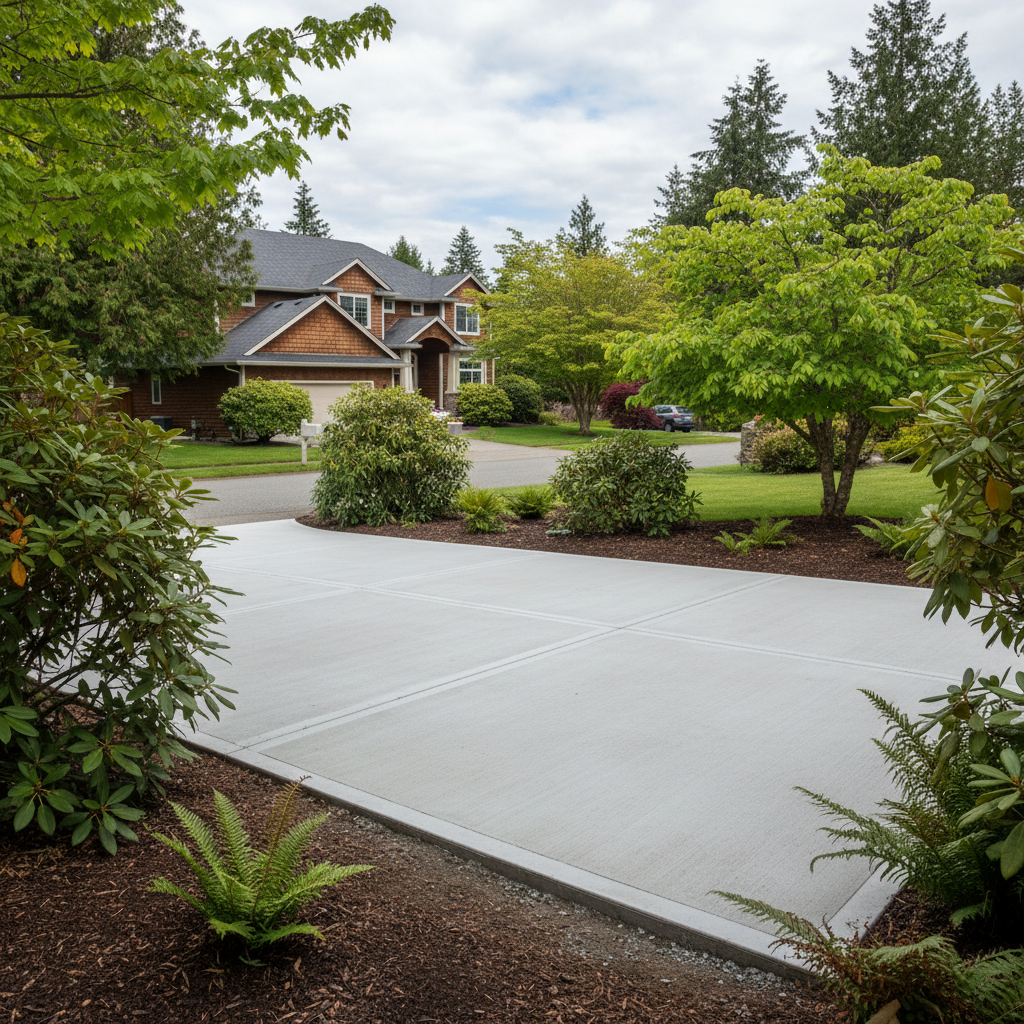
So, you've had some concrete work done, maybe a new patio, a driveway repair, or some foundation leveling. That's a solid investment in your Kenmore home, and you want it to last, right? Of course you do. I see a lot of folks get their concrete fixed, then forget about it. That's a mistake, especially with our Pacific Northwest weather. A little bit of regular care goes a long way to extending the life of that repair and preventing bigger headaches down the road.
Extending the Life of Your Concrete Repair
Once we've fixed your concrete, the first thing you can do to protect it is give it time to cure properly. I know it's tempting to jump right back on it, but listen to what your contractor tells you about weight limits and cure times. For new pours or patches, that usually means staying off it for at least a few days, sometimes longer for heavy vehicles. Don't rush it.
After that, sealing is your best friend, especially around here. Our constant rain and freeze-thaw cycles are brutal on concrete. A good quality sealant, applied every few years, acts like a shield. It repels water, prevents stains, and makes cleaning a lot easier. Think of it like sunscreen for your concrete. Most of the time, I recommend a penetrating sealer that soaks into the concrete, rather than just sitting on top. It offers better, longer-lasting protection against moisture intrusion, which is key when you're dealing with our damp climate.
Another big one is proper drainage. If water is constantly pooling on or around your concrete, it's going to cause problems. Make sure your gutters are clean and downspouts are directing water away from your foundation and concrete slabs. If you've got a patio or driveway that slopes towards your house, you might need to think about a French drain or some other solution to divert that water. Standing water is concrete's enemy.
Regular Maintenance: What You Need to Do
Regular maintenance for concrete isn't complicated, but it is important. Here's what I tell my customers:
- Keep it clean: Sweep off dirt, leaves, and debris regularly. Organic matter holds moisture against the concrete, encouraging moss and algae growth, which can be slippery and eventually degrade the surface.
- Wash it down: A good rinse with a garden hose and a stiff brush a couple of times a year is usually enough. For tougher stains, a mild detergent and water will work. Avoid harsh chemicals or high-pressure washers that can damage the surface or sealant.
- Address spills immediately: Oil, grease, and other chemicals can stain and even weaken concrete if left to sit. Blot them up as soon as they happen.
- Control vegetation: Weeds pushing up through cracks aren't just an eyesore; their roots can expand and worsen existing damage. Pull them out promptly.
- De-ice carefully: In our occasional icy snaps, use sand or non-chloride de-icers. Rock salt (sodium chloride) can be really damaging to concrete over time, especially newer concrete. It causes spalling and scaling, which looks like the surface is flaking off.
These simple steps will help your concrete last much longer than if you just ignore it.
Warning Signs of Trouble
Even with good maintenance, concrete can develop issues. Knowing what to look for can help you catch problems early before they become expensive repairs. Keep an eye out for:
- New cracks or widening existing ones: Hairline cracks are common and often not a big deal. But if you see new cracks forming, or existing ones getting wider or longer, that's a red flag.
- Uneven surfaces or sinking sections: This is a classic sign of soil settlement underneath the slab. If a section of your driveway or patio starts to sink, it's not just a tripping hazard; it means the support underneath is failing. This is especially common in areas with soft, clay-rich soils like we have in some parts of Kenmore, particularly around the old lakebeds.
- Spalling or flaking: If the surface of your concrete is chipping or flaking off, it could be due to poor quality concrete, freeze-thaw damage, or improper de-icing agents.
- Pitting: Small holes or craters on the surface can indicate aggregate exposure due to surface wear or chemical damage.
- Efflorescence: This is that white, powdery substance you sometimes see on concrete. It's mineral salts leaching out with moisture. While often harmless, it can indicate excessive moisture moving through the concrete.
When to Call a Professional
If you're seeing any of those warning signs, or if you're just not sure, it's time to call in someone who knows what they're doing. Don't wait until a small crack turns into a full-blown structural issue. Early intervention can save you a lot of money and hassle.
You should definitely call a pro if:
- You have significant sinking or uneven slabs that pose a tripping hazard or affect drainage.
- Cracks are wider than a quarter-inch, or if they're growing rapidly.
- You suspect foundation issues, like cracks in your home's foundation walls.
- You're seeing extensive spalling or pitting over a large area.
- You're dealing with persistent drainage problems around your concrete.
At Western Concrete Solutions, we deal with these kinds of issues every day. We can assess the situation, figure out the root cause, and recommend the right repair, whether it's crack repair, slab jacking, or something more extensive. Don't let a small problem become a big one. A little vigilance and timely action will keep your concrete strong and looking good for years to come.