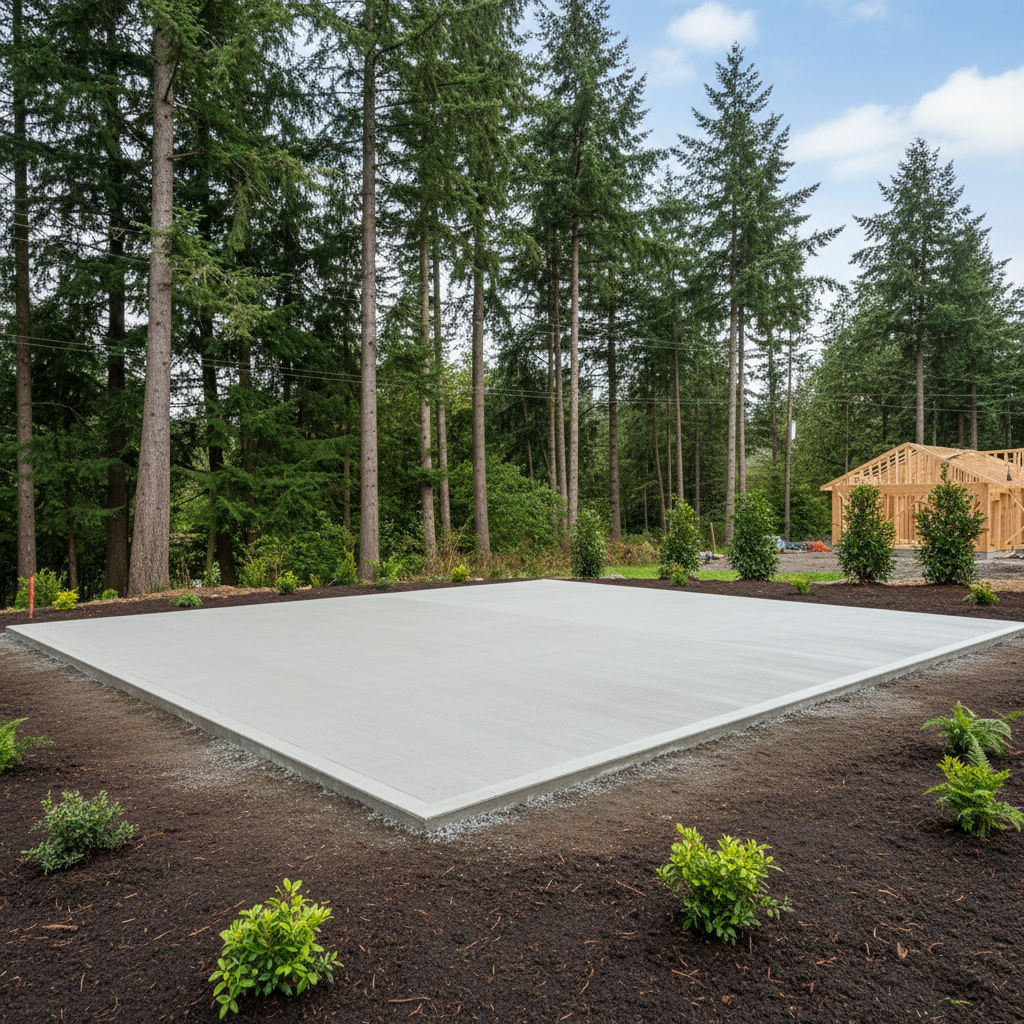
Your home's foundation is a big deal. It's literally what holds everything up, and around here in Kenmore, with our wet winters and sometimes shifting soils, it takes a beating. I've seen a lot of foundations in my time with Western Concrete Solutions, and I can tell you that a little proactive care goes a long way. You don't want to wait until you've got major cracks or water in your crawl space to think about it.
Extending Your Foundation's Lifespan
The good news is, you've got some control over how long your foundation lasts. It's not just about the concrete itself; it's about managing what's around it. The biggest enemy of any foundation in our climate is water. Too much water, especially if it's sitting against the concrete, can cause all sorts of problems – erosion, hydrostatic pressure, even freeze-thaw damage if it gets into small cracks.
- Proper Drainage is Key: Make sure your gutters are clean and extend at least five feet away from your foundation. Seriously, this is probably the most important thing you can do. If water is just dumping right next to your house, it's going to saturate the soil and put pressure on your foundation walls.
- Maintain Proper Grading: The ground around your house should slope away from the foundation, not towards it. We're talking a gentle slope, about six inches for every ten feet. If you've got areas where water pools, you'll want to address that.
- Control Landscaping: While pretty, big trees and shrubs too close to your foundation can be an issue. Their roots can grow under and put pressure on the concrete, and they can also suck a lot of moisture out of the soil unevenly, leading to settlement. Keep larger plants a few feet away.
- Sealants and Waterproofing: For exposed areas, a good quality concrete sealant can help protect against moisture penetration and surface wear. If you've got a crawl space or basement, ensuring proper exterior waterproofing is critical.
Regular Maintenance You Can Do
You don't need to be a concrete expert to do some basic checks. Just walk around your house a couple of times a year, maybe in the spring and fall, and give things a good look.
- Inspect Gutters and Downspouts: Are they clear of leaves and debris? Are they directing water far enough away from the house? This is a quick fix that prevents big problems.
- Check for Cracks: Look at the exterior of your foundation walls. Small hairline cracks are often normal, especially in older homes. But if you see cracks that are wider than a quarter-inch, or if they're horizontal, stair-stepping, or growing, that's a red flag.
- Look at the Grade: Has the soil settled around your foundation? Are there any low spots where water might collect? You might need to add some soil to maintain that positive slope.
- Examine Interior Walls: If you have a basement or crawl space, check the interior foundation walls for any signs of water intrusion – damp spots, efflorescence (white powdery residue), or mold. Also, look for cracks on the inside.
- Monitor Doors and Windows: Are your doors sticking or not closing properly? Do you see new gaps around window frames? Sometimes these can be early indicators of foundation movement.
Warning Signs That Something's Wrong
Okay, so you're doing your regular checks, but what should really make you pick up the phone? Here are the things that tell me a foundation might be in trouble:
- Significant Cracks: As I mentioned, cracks wider than a quarter-inch, horizontal cracks, or cracks that are clearly expanding. Stair-step cracks in brick or block foundations are also a concern.
- Bowing or Leaning Walls: If your basement or crawl space walls look like they're pushing inward, that's a serious issue.
- Uneven Floors: If you feel like you're walking uphill or downhill in certain parts of your house, or if you can see a noticeable slope with a level, that's a strong indicator of settlement.
- Doors and Windows That Stick: Not just a little bit, but consistently sticking or jamming, especially if it's new behavior.
- Water in the Basement or Crawl Space: Any standing water or consistent dampness down there isn't good. It can lead to structural issues and mold.
- Gaps Around Window/Door Frames or Chimneys: If you see separation where there wasn't any before, it could mean movement.
When to Call a Professional
If you see any of those warning signs, or if you're just generally concerned about your foundation, don't hesitate to call a professional. You don't want to wait until a small problem becomes a huge, expensive repair. It's always better to get an expert opinion early.
Here's what a good contractor, like us at Western Concrete Solutions, will do:
- Thorough Inspection: We'll come out and do a detailed inspection of your foundation, inside and out. We're looking for patterns, not just individual cracks.
- Identify the Cause: We'll figure out what's actually causing the problem – whether it's poor drainage, soil settlement, tree roots, or something else.
- Recommend Solutions: We'll give you clear, honest advice on what needs to be done. Sometimes it's a simple fix, sometimes it's more involved. We'll explain your options and what to expect.
Don't ignore the signs. Your Kenmore home is a big investment, and its foundation is worth protecting. A little attention now can save you a lot of headaches and money down the road.