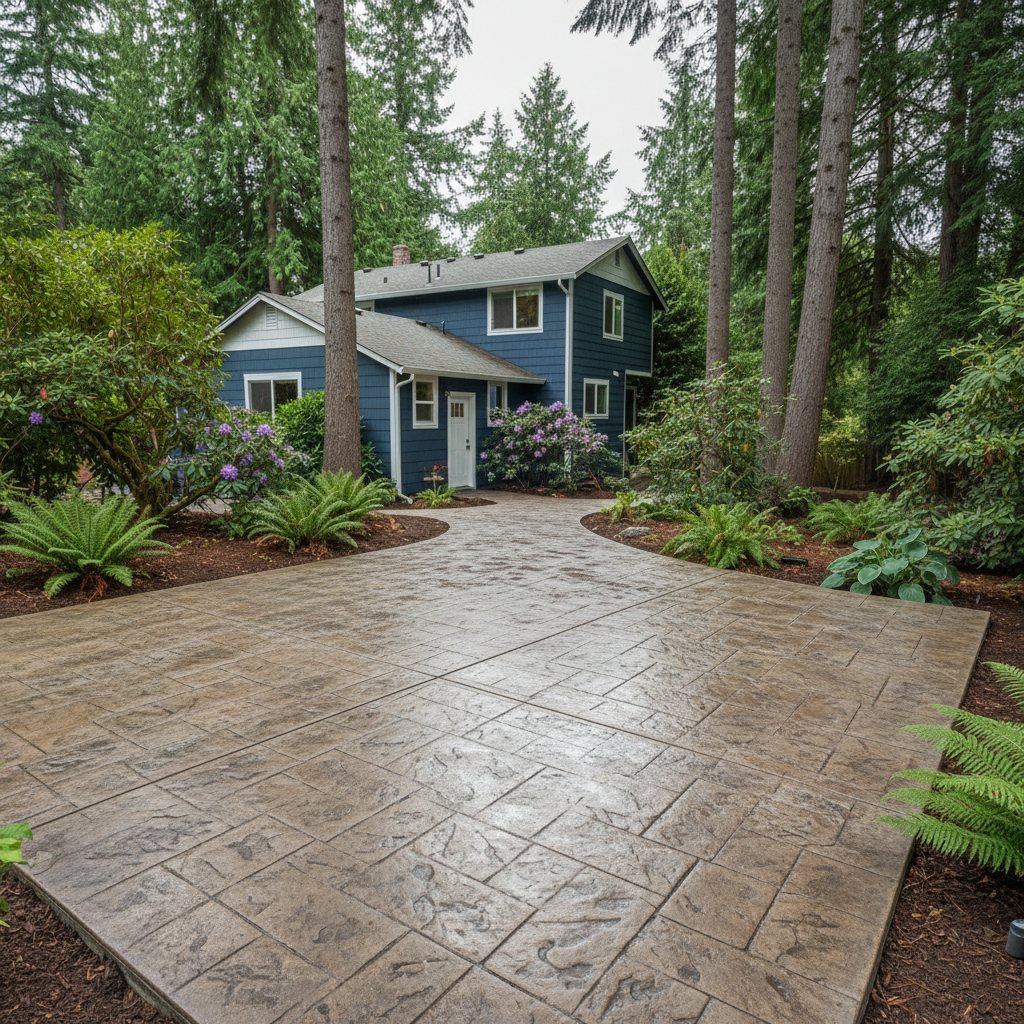
So, you've got stamped concrete, right? Maybe it's a patio, a walkway, or even your driveway. It looks fantastic, adds a ton of curb appeal to your place, and you definitely want to keep it that way. Good. Because while stamped concrete is tough, it's not indestructible, especially with the kind of weather we get here in Kenmore.
I've seen plenty of stamped concrete jobs around town. Some hold up beautifully for decades; others, though, start looking tired after just a few years. The big difference? Maintenance. It's not exactly rocket science, but there are a few key things you need to know to truly protect your investment.
Regular Maintenance: Your First Line of Defense
Think of it like taking care of your car. A little regular attention goes a really long way. For stamped concrete, it mostly means keeping it clean and sealed.
- Clean it regularly: You don't need any fancy chemicals for this. A good sweep with a stiff broom is usually enough to get rid of leaves, dirt, and general grime. For tougher spots, a mild detergent (like dish soap) mixed with water and a scrub brush works wonders. Make sure to rinse it thoroughly afterwards. Don't let moss or algae build up, especially in shaded areas or where water tends to sit — maybe under downspouts near your Kenmore rambler. That stuff can get slippery, and eventually, it'll damage the surface.
- Pressure washing (with caution): A pressure washer can be great for a deeper clean, but you've really got to be careful. Too much pressure, or holding the nozzle too close, can strip the sealer right off or even damage the concrete itself. Keep that nozzle moving, use a fan tip, and don't go overboard. You're just trying to lift dirt, not etch the surface, after all.
- Reseal every few years: This is probably the most critical part of stamped concrete maintenance, especially given our climate. The sealer is what protects your concrete from moisture, UV rays, and general wear and tear. Here in Kenmore, with all the rain we get, moisture penetration is a real enemy. I usually recommend resealing every 2-3 years, but that can vary depending on traffic, sun exposure, and the type of sealer used. If your concrete starts looking dull, or water doesn't bead up on the surface anymore, it's probably time.
How to Extend the Life of Your Stamped Concrete
Beyond the regular stuff, a few habits can really make your stamped concrete last.
- Deal with spills immediately: Oil, grease, paint, even some fertilizers – these can stain or damage your sealer if you let them sit. Blot them up quickly and clean the area.
- Protect it from heavy objects: Don't drag heavy furniture or equipment across the surface. Use pads under planters or anything that might scratch or chip.
- Avoid de-icing salts: This is a big one for us in the Pacific Northwest, even though we don't get heavy snow often. Most de-icing salts can be really harsh on concrete, causing spalling (flaking) and surface damage. If you absolutely need to de-ice, use sand or a concrete-safe alternative. Better yet, just shovel it off quickly.
- Mind the freeze-thaw cycle: Our winters here in Kenmore often involve temperatures hovering right around freezing, meaning lots of freeze-thaw cycles. Water gets into tiny cracks, freezes, expands, and makes those cracks bigger. A good sealer helps prevent water from getting in there in the first place.
Warning Signs of Trouble
You don't need to be a concrete expert to spot problems. Just keep an eye out for these:
- Fading color: If the vibrant color you loved is starting to look washed out, that's a sign the sealer is breaking down and the concrete is exposed to UV rays. Time to reseal.
- Surface flaking or spalling: Little bits of the surface coming off? That's spalling, and it's often caused by moisture getting into the concrete and freezing, or by harsh chemicals like de-icing salts. This needs attention before it gets worse.
- Cracks: Hairline cracks are pretty common in concrete, and often not a huge deal. But if you see cracks widening, or if they're accompanied by uneven surfaces, that's a red flag.
- Pitting: Small holes or depressions on the surface can indicate aggregate exposure or damage from freeze-thaw.
- Moss or algae growth that won't clean off: If it's really embedded, it might be eating away at the surface or indicating a deeper moisture problem.
When to Call a Professional
Look, you can do a lot of this maintenance yourself, and I encourage it. But there are times when you need a pro. Don't hesitate to call if:
- You're unsure about resealing: Choosing the right sealer and applying it correctly can be tricky. If you're not confident, a professional will get it done right.
- You see significant cracking or spalling: Small repairs are one thing, but if you've got extensive damage, it's time for an expert assessment. We can often repair these issues without a full replacement, saving you a lot of money.
- There are drainage issues: If water is consistently pooling on your stamped concrete, or running towards your foundation, that's a bigger problem than just surface maintenance. You might need grading adjustments or a new drainage solution.
- You want to change the look: Maybe you want to re-stain or completely change the color. That's definitely a job for someone who knows what they're doing.
- You just don't have the time or tools: Hey, life gets busy. If you'd rather spend your weekend enjoying Lake Washington than scrubbing concrete, give us a call. That's what Western Concrete Solutions is here for.
Taking care of your stamped concrete isn't a huge chore, but it's important. A little effort now will keep it looking fantastic and protect your home's value for years to come.