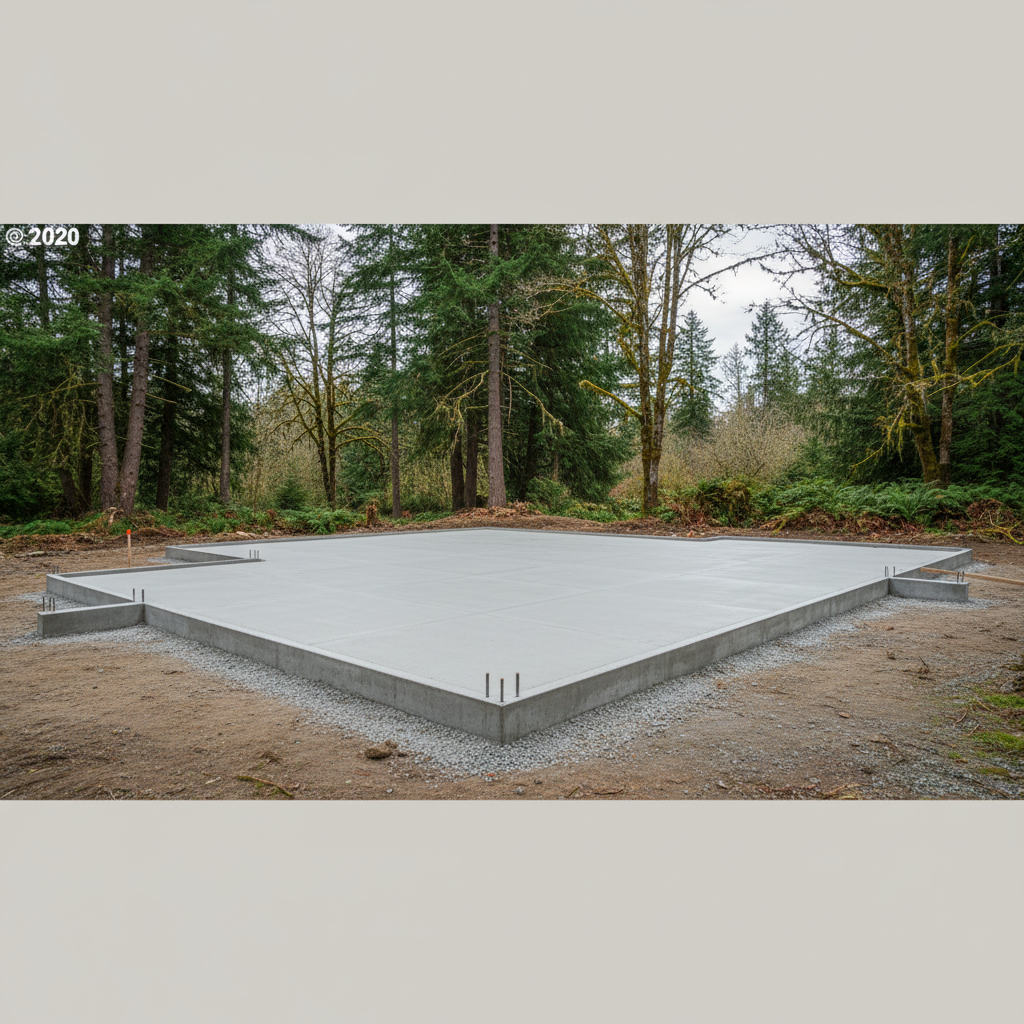
You're thinking about a new concrete foundation, maybe for an addition, a detached garage, or even a shed. That's a big deal, and it's easy to get sidetracked or make a misstep that can haunt you for years. I've seen it all over Kenmore, from the steep slopes near Lake Washington to the flatter lots closer to Bothell Way. Here are some of the biggest mistakes homeowners make when they're planning or hiring for a concrete foundation project.
Ignoring Site Prep and Drainage
This is probably the number one issue I run into. People get excited about the concrete pour itself, but they don't pay enough attention to what's underneath. You can have the best concrete mix in the world, but if the ground isn't prepped right, you're asking for trouble. We get a lot of rain here in Kenmore, and that means water management is critical. I've seen foundations crack or settle because the contractor didn't properly compact the subgrade or, worse, didn't account for the natural water flow on the property.
You need a solid, well-drained base. That often means excavating, bringing in good quality gravel or crushed rock, and compacting it in layers. If you've got clay soil, which is pretty common around here, proper drainage becomes even more important. You might need a perimeter drain or a French drain system to divert water away from the foundation. Don't let a contractor skimp on this. If they're rushing through the site prep, that's a huge red flag. Ask them about their compaction methods, what materials they're using for the base, and how they're handling drainage. A good contractor, like us at Western Concrete Solutions, will have a clear plan for all of it.
Underestimating the Importance of Engineering and Permits
I know, I know, permits are a pain. Nobody likes dealing with city hall. But for a foundation, especially for anything structural, you absolutely cannot skip this step. Kenmore has specific building codes, and you need to make sure your foundation meets them. This usually means getting an engineer to design the foundation, especially if it's for a habitable space or on a challenging site.
Some homeowners try to cut costs by using a contractor who's willing to work without permits. That's a massive gamble. Not only can you face hefty fines, but you might have to tear out and redo the work if it doesn't pass inspection. And good luck selling your house later if you've got unpermitted work. An engineer's stamp ensures the foundation is designed to handle the loads, the soil conditions, and our local seismic activity. It's an investment in peace of mind and the long-term integrity of your home.
Focusing Only on the Lowest Bid
Everyone wants a good deal, I get it. But with foundations, the cheapest bid is very rarely the best one. I've seen homeowners go with the lowest price only to have the project drag on, the quality be subpar, or the contractor disappear halfway through. A foundation isn't something you want to redo. It's literally the base of your structure.
When you're comparing bids, look beyond just the dollar amount. Ask:
- What's included in the price? Are excavation, rebar, forms, concrete, and finishing all itemized?
- What kind of concrete mix are they using? Is it appropriate for our climate and the foundation's purpose?
- Do they have proper insurance and licensing? You can check with the Washington State Department of Labor & Industries.
- Can they provide references? And actually call them!
- How long have they been in business?
A reputable contractor might not be the cheapest, but they'll provide a detailed quote, stand by their work, and have the experience to handle any surprises that pop up, which they often do on foundation jobs.
Not Understanding the Concrete Curing Process
Once the concrete is poured, the job isn't over. Proper curing is essential for the concrete to reach its full strength and durability. This means keeping it moist for a period, usually several days to a week or more, depending on the mix and weather. In our cooler, wetter Kenmore climate, it's often easier to maintain moisture, but you still need to be aware of it.
I've seen people try to rush the curing process, putting loads on the foundation too soon, or letting it dry out too quickly in a rare hot spell. This can lead to weaker concrete, surface cracking, and a reduced lifespan. Your contractor should explain their curing plan to you. If they just pour it and walk away, that's a problem. A good contractor will use curing compounds, wet burlap, or plastic sheeting to ensure the concrete cures correctly.
Building a foundation is a big undertaking, and it's worth doing right the first time. Don't let these common mistakes turn your project into a headache. Do your homework, ask the right questions, and choose a contractor who prioritizes quality and proper procedure.