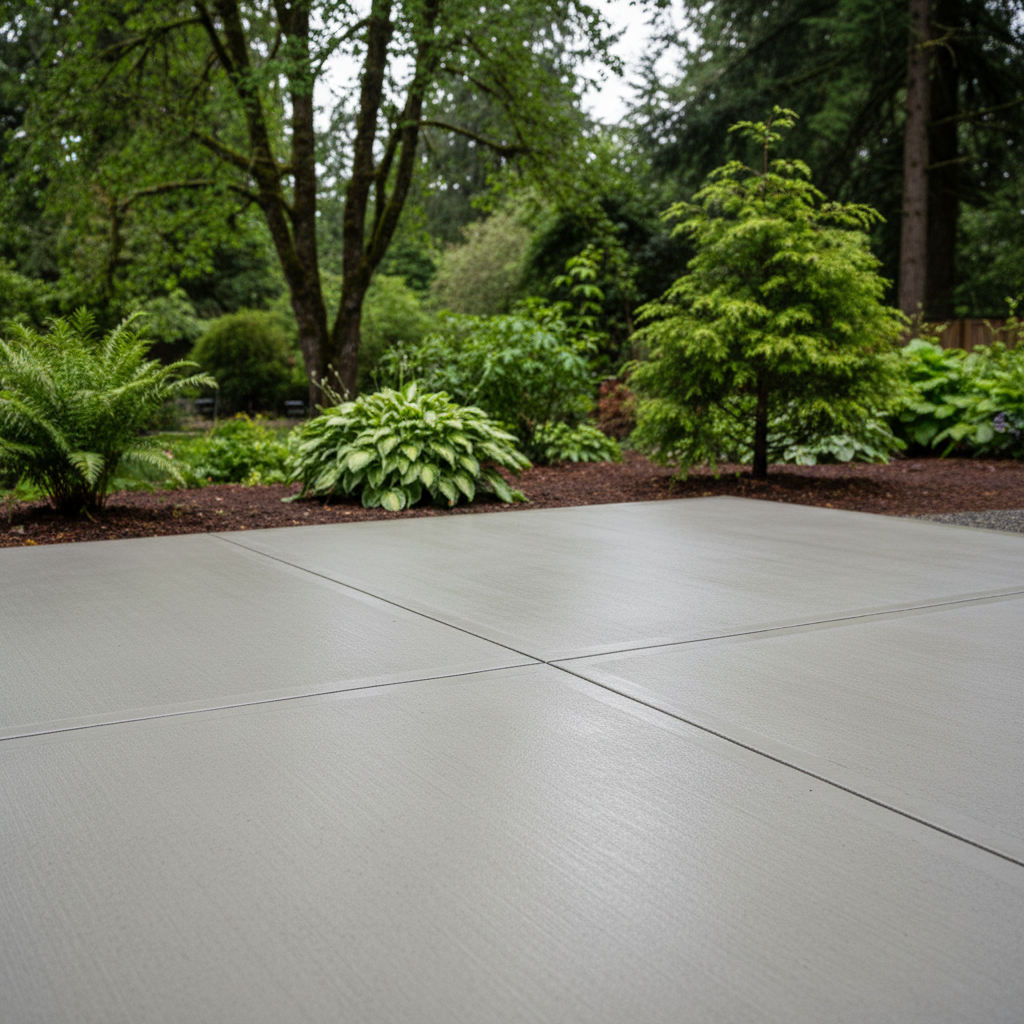
Alright, let's talk patios. Specifically, concrete patios. I get a lot of questions from folks around Kenmore, and honestly, most of them are pretty similar. You want to know what's involved, what it'll cost, and if it's even worth it. So, I figured I'd lay out some straight answers to the questions I hear most often. No fluff, just the facts from someone who pours concrete for a living.
How long does a concrete patio really last around here?
That's a big one, and the short answer is: a long time, if it's done right. We're talking decades, easily 20-30 years, sometimes more. But a few things really impact that lifespan, especially in our climate. The freeze-thaw cycles we get in winter, even if they're not extreme, can take a toll on poorly installed concrete. Good sub-base preparation is critical – that means making sure the ground underneath is properly compacted and drained. If you've got a lot of clay soil, like we see in some of the older Kenmore neighborhoods near Lake Washington, drainage becomes even more important. Water sitting under the slab is a recipe for trouble. You also need a quality concrete mix, proper rebar or wire mesh reinforcement, and good curing practices. Those are non-negotiable. Skimp on any of them, and you'll be looking at cracks and spalling a lot sooner than you'd like.
Do I need a permit for a new patio in Kenmore?
Most of the time, for a standard residential patio, you probably won't need a building permit from the City of Kenmore. They usually don't require permits for concrete slabs that are at ground level, aren't structurally attached to the house, and don't involve big grading changes or impact drainage. However, there are exceptions. If your patio is going to be elevated, include a roof structure, or if it's part of a larger project that does require permits (like an addition), then yes, you'll need one. Also, if you're building near a critical area, like a wetland or steep slope, that changes things entirely. My advice? Always check with the City of Kenmore's Planning & Building Department before you start. It's better to make a quick call than to have to tear something out later because you didn't get the right paperwork. Seriously.
What's the deal with cracking? Is it inevitable?
Look, concrete cracks. It's just what it does. It shrinks as it dries, and that creates stress. The goal isn't to prevent all cracks, because that's impossible. The goal is to control where those cracks happen. That's why we put in control joints (those cuts you see in concrete). They create weak points where the concrete is encouraged to crack in a straight, predictable line, rather than all over the place. Proper control joint placement, adequate thickness, and good sub-base prep all minimize random cracking. Hairline cracks are pretty common and usually nothing to worry about structurally. Wider cracks, especially if they're uneven or show significant displacement, can indicate bigger issues. If you see those, give us a call at Western Concrete Solutions, and we can take a look.
How much maintenance does a concrete patio actually need?
Honestly, not a ton, which is one of its big appeals. But 'not a ton' doesn't mean 'none.' The most important thing you can do is keep it clean. Sweep off leaves and debris regularly. If you get moss or mildew, especially in our damp Pacific Northwest climate, a good pressure washing once a year or so will do wonders. Just be careful with the pressure washer – too high a setting can damage the surface. Sealing is also crucial. I recommend sealing your patio every 2-3 years, maybe more often if it gets heavy use or is exposed to a lot of sun. A good sealer protects against stains, water penetration, and makes it easier to clean. It's a small investment that pays off big in extending the life and look of your patio.
Can I pour a new patio right over my old, cracked one?
This is a common question, and the answer is usually no. While it might seem like a shortcut, pouring new concrete directly over old, damaged concrete is rarely a good idea for a patio. The cracks and movement in the old slab will almost certainly telegraph through to your new one, meaning you'll have cracks in your brand new patio pretty quickly. Plus, you're adding a lot of weight, which can make any sub-base issues even worse. The only time I'd even consider it is if the existing slab is in really good shape, perfectly stable, and you're just looking for a thin overlay for decorative purposes. Even then, it's a risky move. For a proper, long-lasting patio, you're almost always better off removing the old concrete and starting fresh with proper sub-base preparation. It's just the smart way to go.
What's the best time of year to pour a concrete patio in Kenmore?
Spring and early fall are generally ideal around here. You want temperatures that are consistently above freezing but not excessively hot. Our summers can get pretty warm now, and pouring in direct, blazing sun makes the concrete dry too fast, which can lead to cracking. Plus, it's just harder on the crew. The sweet spot is when daytime temps are in the 50s to 70s, and nighttime temps aren't dipping below freezing. This allows the concrete to cure slowly and develop maximum strength. We can pour in other seasons, but it requires more precautions, like using admixtures for cold weather or special curing compounds for heat. If you're planning a project, booking in late winter for a spring pour is a smart move to beat the rush.
How long until I can actually use my new patio?
You'll hear different answers on this, but here's my rule of thumb. For light foot traffic, you can usually walk on it after about 24-48 hours. But don't go throwing a party or setting up heavy furniture just yet. Concrete gains most of its strength in the first week, but it continues to cure and harden for about 28 days. I tell folks to wait at least 7 days before putting anything heavy on it, and ideally, wait the full 28 days before driving a vehicle on it (if it's a driveway extension) or really putting it through its paces. Patience is key here. Rushing it can compromise the long-term strength and durability of your patio.