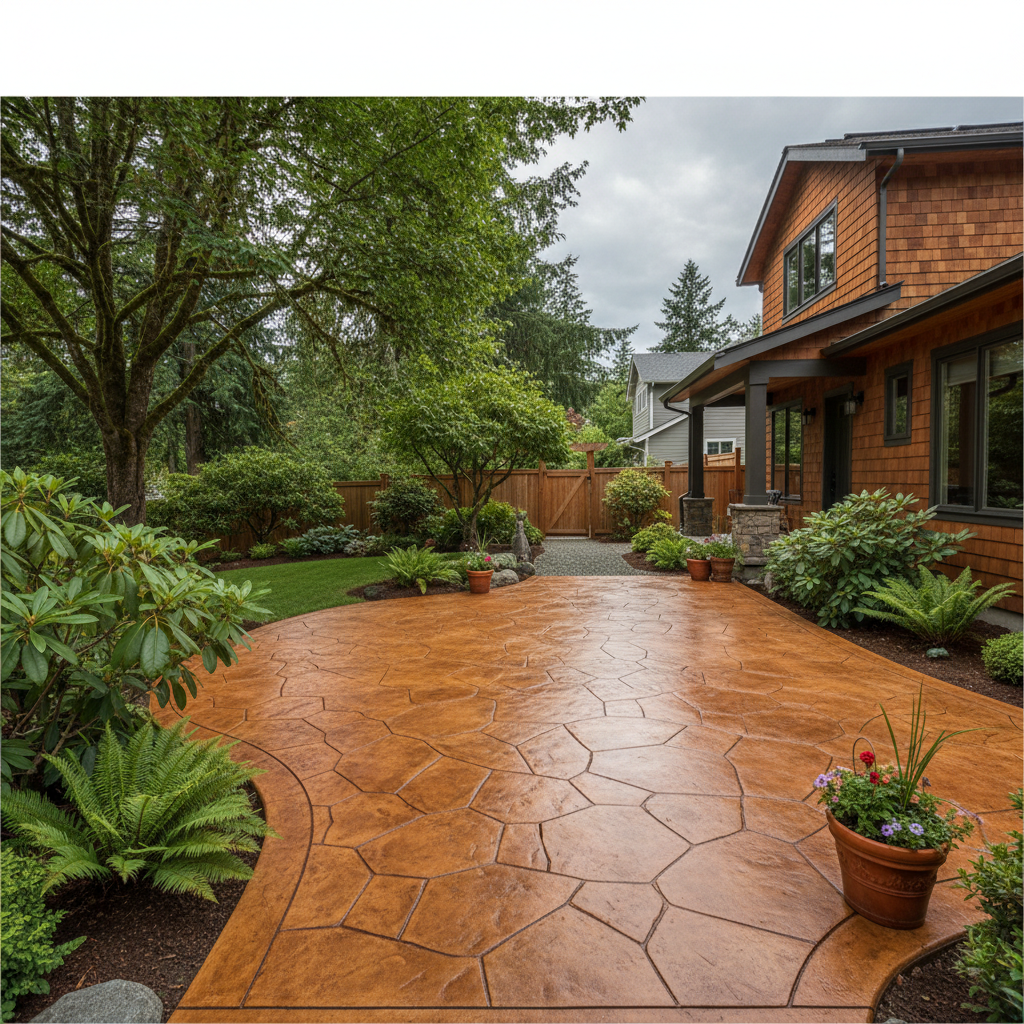
So, you're thinking about staining your concrete. Maybe it's your patio, your garage floor, or even an interior slab that's seen better days. Good call – concrete staining can really transform a space, giving it a custom look that paint just can't match. But like any home improvement project, it's not something you just wake up and do. There's a bit of planning involved if you want it done right, especially with our Kenmore weather and the kind of concrete we often see around here.
Your Staining Project Timeline: What to Expect
Let's talk about how long this whole thing takes, from start to finish. It's not just the days the crew is on site. You've got to factor in prep, the actual work, and then the curing time. Here's a rough breakdown:
- Initial Inquiry & Quote: This can take anywhere from a few days to a couple of weeks, depending on how busy contractors are. You'll want to get a few quotes, so factor in time for site visits and discussions.
- Decision & Scheduling: Once you've picked your contractor (hopefully us at Western Concrete Solutions!), you'll need to get on their schedule. Good contractors are often booked out a few weeks, sometimes even a month or two during peak season. Don't expect next-day service for a quality job.
- Project Prep (Your Part): Before we even show up, there's stuff you'll need to do. Clearing the area, moving furniture, protecting plants – this could be a day or two of your time, depending on the size of the area.
- On-Site Work: This is where we come in. For most residential staining projects, the actual staining process usually takes 2-5 days. This includes cleaning, etching, applying the stain, and then sealing. Larger or more complex jobs, like multiple colors or intricate patterns, will naturally take longer.
- Curing & Drying: This is the part people often forget. After the stain and sealer are applied, they need time to cure properly. You'll typically need to stay off the surface for at least 24-48 hours for light foot traffic. Full cure, meaning it's ready for heavy use or to put furniture back, can take 3-7 days, sometimes even longer for certain sealers.
So, from your first call to enjoying your new stained concrete, you're looking at a timeline that could easily stretch from a few weeks to a couple of months. Plan accordingly.
What Happens During the Staining Process?
When the crew shows up, what exactly are they doing? It's more than just slapping on some color. Here's the general flow:
- Surface Preparation: This is critical. We'll thoroughly clean the concrete, removing any dirt, grease, old sealers, or coatings. Sometimes this involves pressure washing, degreasing, or even light grinding if there are stubborn residues. If you've got an old slab, say from a house built in the 70s up in the Highlands, it might need extra care to get it perfectly clean.
- Etching (for Acid Stains): For acid stains, we'll often etch the concrete. This opens up the pores of the concrete, allowing the acid to react properly with the minerals in the slab. It's what gives that unique, translucent, mottled look.
- Stain Application: The stain is applied, usually in multiple coats, until the desired color depth is achieved. This can be sprayed, brushed, or rolled, depending on the type of stain and the desired effect.
- Neutralization & Cleaning (for Acid Stains): After acid stain reacts, it needs to be neutralized and thoroughly rinsed to remove any residue. This is a messy step, but essential.
- Sealing: Once the stained concrete is completely dry, we apply a protective sealer. This protects the color, adds durability, and can give you the finish you want – matte, satin, or gloss.
- Curing: As I mentioned, the sealer needs time to cure. We'll give you specific instructions on how long to wait before putting the area back into full service.
How to Prepare Your Space for Staining
Your part in the prep work is crucial for a smooth project. Think of it as clearing the deck before the ship sails.
- Clear the Area: Move all furniture, planters, grills, toys, vehicles – anything and everything off the concrete surface. If it's an interior job, clear out the room entirely.
- Protect Nearby Surfaces: While we'll do our best to mask and protect, it helps if you take precautions too. Cover plants, shrubs, and delicate landscaping near exterior concrete. For interior jobs, cover walls, cabinets, and anything else you don't want stained or splashed.
- Address Repairs: If you have cracks or spalling you want fixed, discuss this with your contractor beforehand. Some repairs can be done, but they might take stain differently than the original concrete, so manage your expectations.
- Ensure Access: Make sure there's clear access to the work area for our crew and equipment.
- Water & Power: We'll need access to water and power outlets. Make sure they're available and working.
Questions to Ask Before You Sign That Contract
Don't just go with the first quote. Ask smart questions. Any good contractor will be happy to answer them.
- What type of stain are you proposing (acid, water-based, dye) and why? Each has different characteristics, looks, and durability. You want to understand what you're getting.
- What kind of sealer will you use, and what's its expected lifespan? Sealers are key to protection. Ask about maintenance requirements for that specific sealer.
- What's your process for surface preparation? This is the most important step. A good contractor will detail their cleaning and prep methods.
- How will you protect surrounding areas (walls, landscaping, etc.)? They should have a clear plan for masking and preventing overspray or splashes.
- What's the estimated timeline for the on-site work and the full curing period? Get clear expectations for when you can use the area again.
- What's included in the quote, and what's not? Are repairs included? Is furniture moving? Don't assume anything.
- Do you offer a warranty on your work? If so, what does it cover? A reputable company like Western Concrete Solutions will stand behind their work.
- Can you provide references or show examples of similar projects you've done? Seeing their past work can give you a lot of confidence.
Asking these questions upfront will save you headaches down the road and ensure you're getting a quality job. A well-planned concrete staining project can dramatically improve your home's appearance and value. Just take the time to do it right.