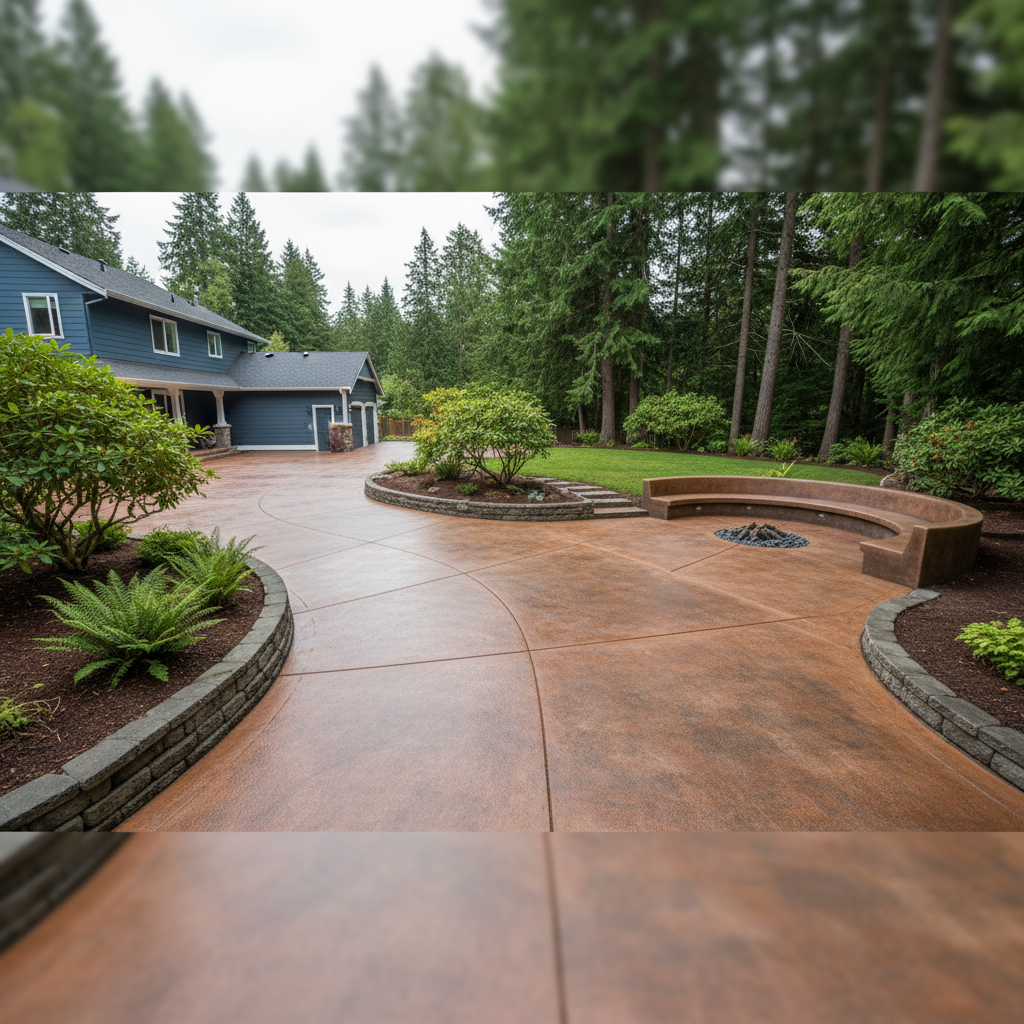
So, you're thinking about giving your concrete a facelift with some staining. Smart move, that is. Staining can seriously change a space, whether it’s an indoor floor or an outdoor patio. But hold on a sec before you dive in. You'll want to do some planning first to make sure everything goes smoothly and you end up happy with the results. I’ve seen countless projects like these over the years, and trust me, a little prep work makes a huge difference.
Your Concrete Staining Timeline: What to Expect
Let's talk about how long this whole thing actually takes. It's usually not an overnight job, especially if you want it done right. From your initial idea to the finished product, here’s a rough breakdown:
- Initial Research & Consultation (1-3 weeks): This is where you figure out what you really want. Check out different colors, patterns, and finishes. Get a few quotes from local pros, maybe like Western Concrete Solutions. Don't rush this part, okay? You're making a decision that'll stick around for a while.
- Surface Preparation (1-3 days): This step is absolutely critical. Your concrete needs to be clean, dry, and totally free of any old sealers, paints, or glues. If you’ve got an old patio that’s seen its share of Kenmore’s wet winters, it might need some serious power washing. Maybe even some grinding to get it ready. Any cracks or spalling? Those will need fixing too. This part often takes longer than folks expect, but there’s no skipping it for a good stain job.
- Stain Application (1-2 days per coat): Depending on the type of stain you pick (acid or water-based) and the look you’re going for, it might need one or two coats. Each coat needs time to react and dry, naturally.
- Sealing (1-2 days): Once the stain is good and dry, it needs a seal. This protects it and really makes the color pop. Usually, we’re talking one or two coats of a good quality sealer. And, you guessed it, each coat needs proper drying time.
- Curing & Return to Service (3-7 days): Even after that sealer feels dry to the touch, it still needs time to fully cure and harden. You’ll want to keep heavy traffic, furniture, and vehicles off it during this period.
So, from start to finish, you're probably looking at a project that spans a couple of weeks. That doesn't even count your initial research phase. Just be realistic about these timelines.
What Happens During the Staining Process?
When the crew shows up, here’s generally what you can expect:
- Protection: First things first, we protect anything you don’t want stained. That means taping off walls, covering plants, and moving furniture. Stains can be messy, especially acid stains, and they can permanently discolor other surfaces.
- Cleaning and Prep: Even if you did some initial cleaning, we’ll do a final, thorough scrub. This might involve degreasers, power washing, or even a light acid etch depending on the surface and what’s needed. Any repairs get finalized right here.
- Application: The stain goes on. We might spray it, brush it, or roll it, depending on the stain type and the effect you want. With acid stains, you’ll actually see a chemical reaction happening, which is pretty cool. For water-based, it’s more about building up the color.
- Rinsing/Neutralizing (for acid stains): If it’s an acid stain, once it’s done reacting, we’ll neutralize the surface and rinse off any residue. This is another step where we use a lot of water.
- Drying: Everything needs to dry completely between coats and before sealing. Weather plays a big role here, especially outdoors.
- Sealing: The sealer goes on. This is what brings out the color, adds a protective layer, and gives you that finished look.
- Final Cleanup: We’ll remove all the protective coverings and clean up the work area.
It's a process, sure, but understanding each step helps you know what’s happening on your property.
How to Prepare Your Home for Concrete Staining
You actually have a big part to play in making this project smooth. Here’s what you can do:
- Clear the Area: Move all furniture, potted plants, grills, and anything else off the concrete surface. If it’s an interior floor, clear out the room completely. We can help with some heavy lifting, but it’s always best if the space is as empty as possible.
- Trim Landscaping: If it’s an outdoor patio or walkway, trim back any bushes or plants that are right up against the concrete. This helps us protect them and gives us room to work.
- Ensure Access to Water and Power: We’ll need access to an outdoor spigot and electrical outlets for our equipment.
- Plan for Foot Traffic: You won’t be able to walk on the stained and sealed concrete for a few days. Plan alternative routes if it’s a main pathway, or prepare to stay off an interior floor.
- Discuss Expectations: Talk to your contractor about the exact color and finish you’re hoping for. Stains react differently to every slab of concrete, so a perfect match to a sample isn’t always possible. Understanding this upfront prevents disappointment.
- Address Repairs: If you know you have cracks or spalling, point them out. We’ll assess them during the quote, but it’s good for you to be aware of what needs fixing before the staining can begin.
Questions to Ask Before Signing a Contract
Before you commit, make sure you’ve got all your questions answered. Don’t be shy; this is your investment, after all.
- What specific type of stain are you recommending (acid, water-based, dye) and why? Each has its own characteristics, and the right choice depends on your existing concrete and the look you want.
- What's your exact process for surface preparation? This is crucial. Ask about cleaning, etching, and crack repair.
- How many coats of stain and sealer will be applied? More coats usually mean better durability and color saturation, you know?
- What brand and type of sealer will you use? What's its expected lifespan and maintenance requirements? Different sealers offer different levels of protection and shine.
- What's the total project cost, and what does that include (materials, labor, cleanup)? Are there any potential hidden costs? Get a detailed breakdown.
- What's the estimated timeline for completion, including drying and curing times? Make sure it aligns with your schedule.
- Do you offer a warranty on your work, and what does it cover? Good contractors stand behind their work.
- Can you provide references or show me examples of similar staining projects you've done in the Kenmore area? Seeing local work can give you a better idea of what to expect with our specific climate and concrete types, like the older aggregate patios you see in some of the Lake Forest Park adjacent neighborhoods.
- What's your payment schedule? Typically, it's a deposit upfront and the rest upon completion.
- What happens if the color isn't exactly what I expected? Understand the limitations and what recourse you have.
Asking these questions will help you choose the right contractor and make sure everyone's on the same page. A concrete staining project can dramatically improve your home’s appearance, so take the time to plan it out. You’ll be glad you did when you’re enjoying your beautiful new surface.