You're ready to upgrade your home with some new concrete, maybe a fresh patio for those summer BBQs or a durable new driveway. That's great! But before you jump in, especially here in Kenmore, you really need to think about the weather. It's not just about when you're free; it's about when the concrete can do its best work.
When's the Best Time to Pour Concrete in Kenmore?
Honestly, the sweet spot for concrete work around here is late spring through early fall. Think May, June, July, August, and maybe early September. Why then? Because concrete needs a few things to cure properly: consistent temperature, not too hot, not too cold, and not too much rain right after it's poured.
When it's too cold, like in the dead of winter, the water in the concrete can freeze. If that happens before the concrete has gained enough strength, it's a recipe for disaster. You'll end up with weak, flaky concrete that won't last. On the flip side, extreme heat can make the water evaporate too quickly, leading to cracking and a weaker surface. Our Kenmore summers, with their mild temperatures and typically drier stretches, are pretty ideal.
Understanding Kenmore's Weather and Your Concrete
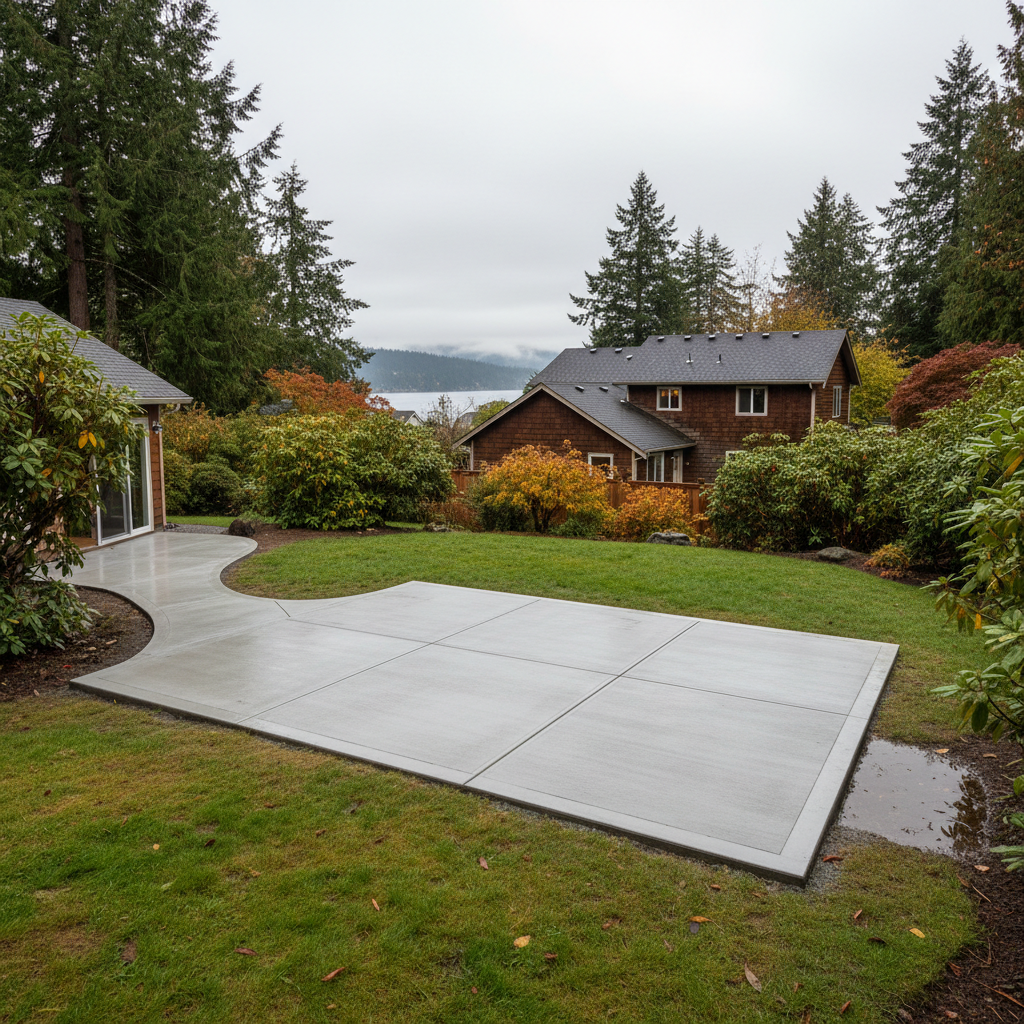
We all know Kenmore gets its fair share of rain. That's just a fact of life here in the Pacific Northwest. While concrete needs water to cure, it needs to be controlled. Pouring concrete during a downpour is a definite no-go. It dilutes the mix, washes away cement paste, and can seriously compromise the strength and finish. We're always keeping an eye on the forecast, sometimes rescheduling a day or two to make sure we hit that perfect window of dry, mild weather.
Another thing to consider is the ground. Our soil here, especially in some of the older neighborhoods with a lot of clay or areas near the lake, can stay pretty saturated for a long time after heavy rains. You don't want to pour on soggy ground. It can affect the stability of your sub-base, which is the foundation for your concrete. A good contractor will always make sure the ground is properly prepared and drained before any concrete even shows up.
Protecting Your Concrete Investment Year-Round
Once your new concrete is in and cured, you want it to last, right? Here's what you can do:
- Seal it Up: This is probably the most important thing you can do for your concrete, especially here. A good quality sealer acts like a raincoat for your concrete. It protects against water penetration, which is crucial with all our rain. It also helps fend off oil stains, de-icing salts, and UV damage. I usually recommend resealing every 2-5 years, depending on the traffic and exposure.
- Watch for Standing Water: If you notice water pooling on your driveway or patio, that's a red flag. Standing water can eventually erode the concrete surface or find its way into tiny cracks, freeze, expand, and cause bigger problems. Make sure your drainage is good. If you're seeing issues, it might be something we can help address with proper grading or even a small repair.
- Be Smart with De-Icers: When we do get those rare but annoying ice storms, be careful what you use. Some de-icing salts can be really harsh on concrete, especially newer concrete that hasn't fully cured or concrete that wasn't properly sealed. Look for de-icers that are labeled 'concrete safe' or use sand for traction instead.
- Clean Regularly: A simple sweep and occasional rinse can go a long way. Get rid of leaves, dirt, and debris that can trap moisture and promote mold or mildew growth. For tougher stains, use a mild detergent and a stiff brush, then rinse thoroughly. Avoid harsh chemicals or pressure washing at too high a setting, as they can damage the surface.
- Mind Those Heavy Loads: While concrete is tough, it has its limits. Try not to park overly heavy vehicles or place extremely heavy objects on your concrete for extended periods, especially if it's a thinner slab like a patio. Over time, excessive weight can lead to cracking or settlement.
At Western Concrete Solutions, we've poured a lot of concrete around Kenmore, from the busy main streets to the quiet residential cul-de-sacs. We know what works and what doesn't in our local climate. If you're planning a project, give us a call. We can talk through the best timing and make sure your investment stands strong for years to come.